Practice Test 16
Where should you park your vehicle before checking the engine oil level?
What might misuse of drugs or alcohol lead to?
When must you take extra care if you're driving a vehicle more than 3.0 metres (10 feet) high?
How can you avoid harsh braking?
A coach is overtaking you. What should you do when it's safe for the coach to move back to the left?
Why should you carry spare tachograph charts?
Before each journey, you should check all warning lights. What should you do if a warning light remains lit?
You're waiting to come out of a side road. Why should you look carefully for motorcycles?
Under EU rules, what's the normal weekly rest period that must be taken?
What's the purpose of an emergency refuge area on a smart motorway?
Why is it dangerous to follow a large goods vehicle too closely?
You're following a large vehicle. How can you improve your view ahead?
How is drinking alcohol likely to affect your driving?
Why are motorcyclists advised to wear bright clothing?
What action would you take when elderly people are crossing the road?
What should you do if you see two elderly pedestrians about to cross the road ahead?
When can you refuse access to a wheelchair user?
You're driving behind two cyclists. They're approaching a roundabout in the left-hand lane. What should you expect them to do?
You've been stopped at a roadside check. What would staff from the environmental health department be checking?
Passengers may be in a hurry to get off the bus as you approach a bus stop. What should you do to reduce any dangers?
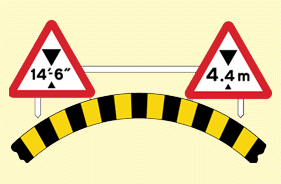
The height of your vehicle is 4.2 metres (14 feet). What should you do as you approach this bridge?
What will happen if you follow a regular vehicle maintenance schedule?
What will cause your fuel consumption to increase?
You're at the scene of a collision. People are injured. What should be done when the risk of further collisions has been dealt with?
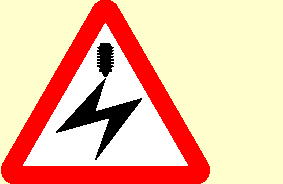
What must you do before moving off when you're driving a service bus?
What size of trailer can be towed by the holder of a full category D licence?
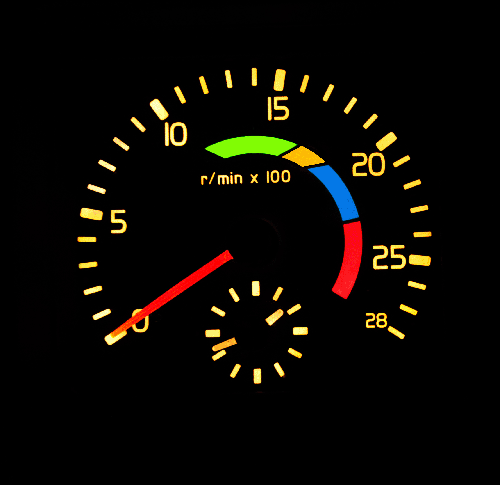
When should you check your vehicle's spray-suppression equipment?
When should you use a crawler lane?
You're driving on a motorway in heavy rain. What could cause your steering to become unresponsive?
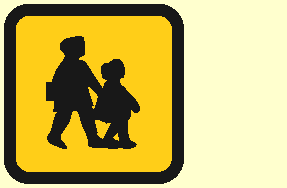
You're driving near a school in heavy traffic. What should you do when there are children walking close to the kerb on your side of the road?
A passenger using a wheelchair wants to get on your bus. When may you need to deny them access?
You're on a country road. What should you expect to see coming towards you on your side of the road?
For how long is a Statutory Off-Road Notification (SORN) valid?
You're approaching traffic lights. Only the red light is showing. Which series of lights will show next?

Where can you park large vehicles at night without needing to use parking lights?
Who should benefit from priority seating?
You're at the scene of an incident. What does it mean if there's a plain orange rectangle displayed on one of the vehicles?
Not enough to pass :-(
You have answered 0 correct out of 40 question(s).
What's Next?
Review your answers
See which answers you chose and what the correct answers are.
Study Guide
Review all the correct answers.