The road
You're driving a high-sided vehicle on a motorway. You should anticipate the effects of side wind. When is this most likely to happen?
You're driving a long bus. When would you need to straddle lanes?
What should you do after overtaking on a dual carriageway?
In fast traffic, when should you leave a two-second gap between your vehicle and the one in front?
You're driving a long vehicle and want to turn right at a roundabout ahead. How should you signal if you need to occupy the left-hand lane?
Why should you take care before moving into the centre lane of a three-lane motorway?
Where would you anticipate problems when you're driving a high-sided vehicle on a windy day?
What component fitted to your vehicle will help following drivers in wet weather?
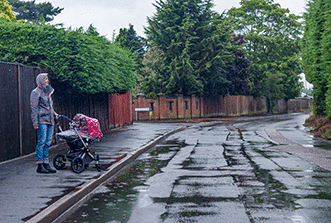
Which vehicles are most likely to be affected by high winds?
What should you do before overtaking on a single carriageway road?
You're driving in wet weather. What effect will faulty spray-suppression equipment have on other drivers?
What should you do when you drive in windy weather?
You're driving a bus at night on a road without street lighting. Why could it be dangerous to overtake?
When is a buffer lane most likely to be in use?
It's very windy and you're overtaking a motorcyclist on a motorway. What should you be aware of that may cause them problems?
How should you drive through flood water?
What might happen if using the brakes continuously causes them to overheat?
What should you do if you see a vehicle too close behind when you're driving in traffic on the motorway?
You're driving a fully laden vehicle approaching an uphill gradient. What will happen if you start to overtake?
You're in the left-hand lane on a three-lane motorway. Why should you check for any vehicles in the right-hand lane before you overtake?
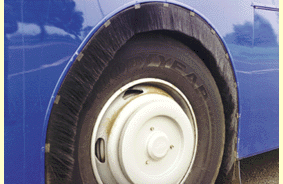
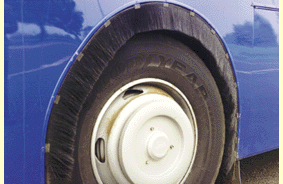
In which type of weather is spray-suppression equipment particularly useful?
When do drivers of long vehicles need to straddle lanes?
You're driving in fog. When should high-intensity rear fog lights be used?
What should you be aware of when you're overtaking on a motorway while it's raining heavily?
What does it indicate if you see white lights on a vehicle at night?
Which road users are most likely to be affected by the turbulence created by large vehicles travelling at speed?
You're driving behind two cyclists. They're approaching a roundabout in the left-hand lane. What should you expect them to do?
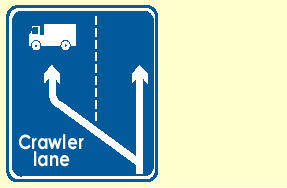
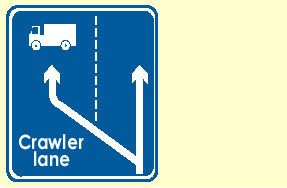
What's a crawler lane for?
The entrances to roundabouts are often slippery when they're wet. How should you deal with this hazard?
Why should you be especially aware of parked cars when you're driving at night?
How will gravity affect a laden vehicle going downhill?
What should you do when you park your vehicle on a two-way road at night?
You're driving in fog that's starting to clear. When should you switch off your high-intensity rear fog lights?
You're driving at 50 mph (80 km/h) on a dry, level road. What gap should you leave between your vehicle and the one in front?
When should you use a crawler lane?
What problem may you have when driving at night?
When may vehicles over 7.5 tonnes maximum authorised mass (MAM) use the right-hand lane of a motorway to overtake?
You're driving on a dual carriageway and intend to overtake the vehicle ahead. What should you do if there's a car approaching quickly behind you in the right-hand lane?
What will affect a double-deck bus more than a single-deck bus?
You're driving a high-sided vehicle in very windy conditions. Where should you avoid travelling?
You're driving in the left-hand lane of a motorway. What should you do when you see a large vehicle merging from a slip road ahead?
You're following a large vehicle. How can you improve your view ahead?
What's the greatest risk to your safety when you're overtaking on a motorway in very wet weather?
How is a strong wind likely to affect your bus?
What do you need to be aware of when you drive over an exposed suspension bridge?
What must bus and coach drivers do when they park their vehicle on the road at night?
What's the best way to control your vehicle when driving on snow?
When shouldn't you overtake?
How should you use the brakes in icy weather?
You're on a motorway and there's a strong side wind. Which vehicle is particularly at risk?
How should you rejoin the motorway after a breakdown on the hard shoulder?
Why do some buses have marker lights along their sides?
How should you slow down or stop when you're driving on an icy road?
What should you do as you approach a zebra crossing?
What should you do when you're overtaking a motorcyclist in very windy conditions?
What time gap should you leave when you're following a vehicle on a wet road?
Why should you take extra care when overtaking at night?
You're driving downhill. How will this affect your vehicle?
When should you check your vehicle's spray-suppression equipment?
You're driving on a motorway in heavy rain. What could cause your steering to become unresponsive?
You're in the centre lane of a motorway, overtaking another vehicle. What should you do before returning to the left-hand lane?
It's raining. Why would a motorcyclist steer around drain covers on a bend?
You're driving at night. Why should you ensure that all your lights are clean and working correctly?
What should you do before you start to overtake a lorry?
You're driving a high-sided vehicle on a motorway. Where should you be especially aware of the effects of side wind?
You have stopped in an emergency refuge area. What must you do before you rejoin the carriageway?
You're driving on a motorway. What should you do if your view ahead is restricted by heavy spray?
When do long vehicles sometimes need to straddle lanes?
Which vehicle is least likely to be affected by high wind?
You're driving at the speed limit in the left-hand lane of a motorway. What should you do if you see lorries merging from a slip road ahead?
You're driving in heavy rain. Why do you need to increase your distance from the vehicle in front?
When would weight transference be most likely to occur?
You're driving a bus on a windy day. What should you do when you're overtaking a motorcyclist?
You're on a motorway and the surface is still wet after rain. Why should you take care when you're overtaking?
You've just overtaken another vehicle on a motorway. What should you avoid when moving back to the left?
You'll be driving a high-floor coach. You'll be going over several high bridges. Why should you check the weather forecast before starting your journey?
This vehicle is fitted with spray-suppression equipment. In what weather conditions will it be most useful?
When may you use your vehicle's hazard warning lights while it's moving?
You're driving along a motorway in thick fog at night. The reflective studs are red on your left and white on your right. Which lane are you in?
How much longer can your stopping distance be in snow than in dry weather?
You're driving a large vehicle in gusty conditions. Which vehicle is most likely to be affected by buffeting when you overtake it?
You're driving a large vehicle in heavy rain on a motorway. You slow down to reduce the risk of aquaplaning. For what other reason should you slow down?
Why should you be aware of motorcyclists on a motorway when there are gusty winds?
You're driving on a motorway in heavy rain. When are you allowed to use high-intensity rear fog lights?
Which lane should you use when you're driving on a clear motorway, at the speed limit for your vehicle?
You're driving through the night. What could it mean if your steering feels lighter than normal?
What should you do if an overtaking vehicle pulls in too close in front of you?
You're driving in the left-hand lane on a three-lane motorway. What should you check for before moving into the middle lane to overtake a slower vehicle?
What do you need to be careful of when you're driving in high winds?
Why is tailgating dangerous?
Where would you expect to find buffer lanes?
You're driving in wet conditions. What should you try to do before braking?
Why is it dangerous to follow a large goods vehicle too closely?
What should you do before changing lanes to overtake on a motorway?
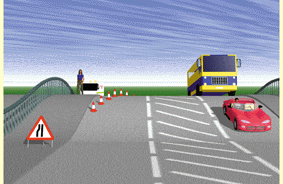
You're driving on a motorway after it's been raining heavily. What should you do if spray is being thrown up, causing poor visibility?
You're on a motorway, approaching a working snow plough. Why should you stay behind it?
When should you use the two-second rule?
You're driving at a speed of 50 mph (80 km/h) in good, dry conditions. What distance should you stay behind the vehicle in front?
What's the minimum distance you should allow for braking when it's raining heavily?
It's raining heavily. What effect could this have when you overtake a cyclist?
You're driving in heavy rain. What should you do if your steering suddenly feels very light?
You're waiting at a T-junction. What should you do if you see a vehicle is coming from the right, with its left indicator flashing?
High-sided vehicles can be affected by side wind. On which type of road is this most likely?
Why can visibility be worse when driving at high speed in wet weather?
What's a buffer lane?
You've just overtaken another large vehicle. How do you know when it's safe to move back to the nearside lane?
You're overtaking a motorcycle in windy conditions. Why should you check your nearside mirror?
What must you be certain of before you overtake at night?
What should you do if you intend to overtake a lorry that's throwing up spray?
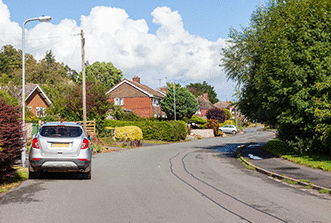
You're driving a bus. Where should you be aware of the risk of grounding?
Not enough to pass :-(
You have answered 0 correct out of 118 question(s).
What's Next?
Review your answers
See which answers you chose and what the correct answers are.
Study Guide
Review all the correct answers.