
Vehicle condition
A loud buzzer sounds in your vehicle. What's this most likely to indicate?
What should you regularly check on the tyres of your bus?
Why do air tanks on brake systems need to be drained?

A passenger tells you they've noticed that a wheel nut is missing from your bus. How often should you check your vehicle's wheel nuts?
Where does a high-pressure fuel injector deliver fuel?
Why are energy-saving tyres effective?
When can 'selective' or 'block' gear changing be used?
When would you use 'kickdown' on a vehicle that has automatic transmission?
What would be illegal?
What could happen if you overfill your engine with oil?
How can vehicle breakdowns be reduced?
What should you do if your power-assisted steering fails suddenly?
What should you do if the brake pedal becomes hard to press?
What proportion of the width of a tyre must have at least the legal minimum depth of tread?
You're driving a double-deck bus. What's the minimum depth of tread required over three-quarters of each tyre's width?
What's the most likely reason for a diesel-engined vehicle running erratically in very cold weather?
When should you check the wheel nuts on your vehicle?
How frequently should a driver carry out a walk-round check?
Where can you get advice to help carry out minor repairs?
Your vehicle suffers a tyre blow-out. How could this create a hazard for other road users?
The Driver and Vehicle Standards Agency (DVSA) and the police carry out spot checks for faulty vehicles. What will happen to the vehicle if serious defects are found?
On motorways, you're usually driving at higher speeds for long distances. What effect can this have on your tyres?

Bus and lorry tyres have codes on their side walls. What do these codes refer to?
Your coach is fully laden. What's the most likely reason for the steering feeling heavy?
Your vehicle has broken down at night on a two-way road. How should you try to leave the vehicle?
Why should you use an approved coolant solution in your engine's cooling system?
When should the driver of a coach wear gloves?
What could happen if there isn't enough oil in your engine?
What should you do if thick black smoke is coming from the exhaust of your vehicle?
What's the most likely cause if your steering starts to feel heavy?
In very cold weather, moisture can freeze in your vehicle's air storage tanks. What can you do to help prevent this from happening?
You're driving a three-axle double-deck bus and have the steering turned onto full lock. What should you do to avoid rear tyre scrub?
You're checking your vehicle's tyres before starting a long motorway journey. What check should be made on each tyre?
You're driving a six-wheeled double-deck bus. What do you need to know about punctures on the rear tyres?
Which tool is essential for fitting a road wheel?
How can you check the age of a tyre fitted to your vehicle?
You've had to change a wheel on your vehicle. When should the wheel nuts be checked again?
You're driving along a motorway. What should you do if the air-pressure warning device starts to operate?
What should you do if you notice that two wheel nuts are missing from one of the wheels on your vehicle?
Why should your engine oil be changed at the recommended intervals?
On your daily walk-round check, you see that one front tyre is more than 10 years old. What should you do before using the vehicle?
You're about to start a long journey midway through the day. What should you do if you notice that the sidelights work but the headlights are faulty?
What do the codes shown on the side walls of bus and lorry tyres refer to?
You're driving a three-axle double-deck bus. Why should you take extra care when using full steering lock?
Why is it important to avoid overfilling the engine with oil?
What happens to diesel fuel when it gets hot?
What's the advantage of energy-saving tyres?
You notice that one of your tyres has a bulge in the side wall. What will happen if you drive the vehicle?
Your coach often tows a trailer. How often should you check the trailer tyres for pressure?
You're checking your vehicle. What should you do if you discover an air leak in the braking system?
At a Driver and Vehicle Standards Agency (DVSA) roadside check, your vehicle is found to have serious defects and you may no longer use it. Who will DVSA share this information with?
What will happen if you follow a regular vehicle maintenance schedule?
While driving, your engine-oil warning light comes on. Why could it be dangerous to continue driving?
What should you do before uncoupling your trailer?
What should you do before changing a wheel on your vehicle?
You're driving at night on a very busy road when your headlights fail. What should you do if the fuse box is on the outside of the bus, on the right-hand side?
What could happen if you overfill your engine with oil?
A tyre has been replaced on your vehicle. What precautions should be taken when tightening the wheel nuts?
What should you do before stopping a turbocharged engine?

Some buses have different-sized wheels on the front and rear. What do you need to be aware of when driving at high speeds on long journeys?
What's most likely to cause a burst tyre?
The bus you're driving is fitted with automatic transmission. When would you use kickdown?
What can you add to diesel fuel to prevent it from becoming less effective at low temperatures?
Why should you carry out a daily walk-round check before setting off?
You discover that one of your rear brake-light bulbs has failed. How soon should it be replaced?
Where can you get advice about carrying out repairs to your vehicle?
What should you do if you notice that your coach's right rear indicator isn't working?
What do heated fuel lines prevent?
What's the purpose of the oil filter?
Why should you check your tyres more frequently on a coach with three axles?
Where should you park your vehicle before checking the engine oil level?
Before each journey, you should check all warning lights. What should you do if a warning light remains lit?
You've stopped on a firm, level surface. What's the first thing you must do before you uncouple the trailer?
Your steering suddenly becomes heavy to turn. What could make this happen?
When should anti-freeze be used in the cooling system?
What will result from having over-inflated tyres?
Before starting a journey, you want to check your brake-system warning lights. What can you do when these aren't operated by the ignition switch?

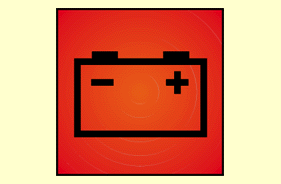
You hit the kerb at speed. What part of your vehicle should you check for damage?
What should you do when you park a vehicle that's fitted with a turbocharger?
When should you check the oil level in your engine?
What's it advisable to do when you replace a tubeless tyre?
What must vehicle operators provide for their drivers?
Not enough to pass :-(
You have answered 0 correct out of 87 question(s).
What's Next?
Review your answers
See which answers you chose and what the correct answers are.
Study Guide
Review all the correct answers.
